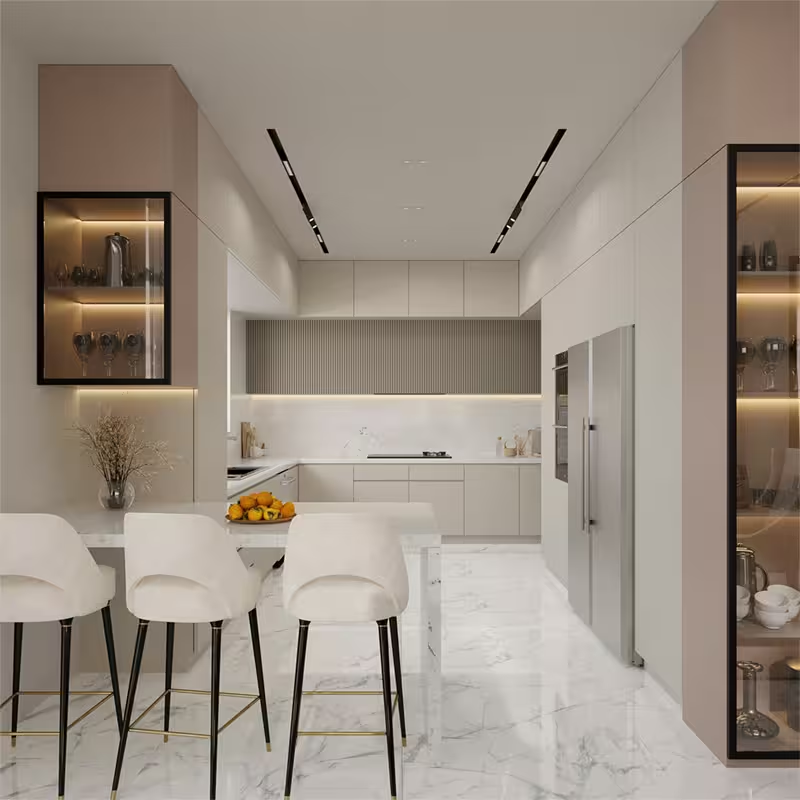
Incorporating Cultural Touches into Your Modular Kitchen Design
The kitchen, often referred to as the heart of the home, serves more Mangalore modular kitchen accessories than just a functional purpose. It is a gathering place where families come together, and memories are created. In India, where kitchens can be deeply intertwined with cultural practices and family traditions, designing a modular kitchen that reflects these elements can elevate its significance. This article explores how to seamlessly integrate cultural touches into your modular kitchen design while maintaining functionality and aesthetic appeal.
Understanding Modular Kitchens
A modular kitchen comprises pre-made units or modules that fit together to create an efficient and stylish cooking space. These kitchens offer flexibility and customization, making it easy for homeowners to design according to their specific needs and preferences. They can be tailored to suit various styles, from contemporary to traditional. In Mangalore, where the fusion of modern design with rich cultural heritage is prevalent, the opportunity arises to blend functionality with tradition.
The Importance of Culture in Kitchen Design
When it comes to kitchen design in India, culture plays a pivotal role. Every region has its culinary practices, rituals, and preferences that can influence how a kitchen is structured and decorated. For instance, in many South Indian households, the use of specific materials or colors might hold significance based on local customs or beliefs. By incorporating these cultural elements into your modular kitchen design, you not only create a space that feels personal but also one that honors your heritage.
Selecting Materials That Reflect Culture
Choosing materials is the first step toward infusing cultural elements into your modular kitchen. In Mangalore, natural materials like wood and stone are often favored due to their durability and timeless appeal.
Wood Finishes
Wood brings warmth and character to any space. Consider using traditional woods like teak or rosewood for cabinetry or accents. These materials are not only robust but also carry a sense of history and craftsmanship that resonates with many Indian homes.
Stone Countertops
For countertops, granite or quartzite can provide both beauty and practicality. Stone surfaces are ideal for heavy cooking tasks typical in Indian kitchens. You might choose colors that reflect local landscapes—rich browns or deep greens—to create a connection with nature.
Textiles
Incorporating textiles adds softness and color to your kitchen design. Use traditional Indian fabrics for curtains or seat cushions—think vibrant prints from Kerala or Karnataka handlooms. These textiles can serve as conversation starters while enhancing comfort.
Color Schemes Inspired by Tradition
Colors evoke emotions and memories; thus, selecting the right palette for your modular kitchen is crucial. Many Indian kitchens favor warm shades reminiscent of spices—mustard yellows, deep reds, earthy browns—that reflect culinary traditions.
Earthy Tones
Earthy tones connect spaces with nature while providing warmth. Using colors like terracotta or muted greens can create a calming atmosphere conducive to cooking and gathering.
Vibrant Accents
While earthy tones form the base of your color scheme, vibrant accents in accessories like utensils or decorative items can add personality without overwhelming the space. Handmade pottery from local artisans or brassware can serve as both functional items and decorative pieces.
Layouts That Enhance Functionality
Incorporating cultural touches goes beyond aesthetics; it also impacts how efficiently you work in the kitchen. A well-thought-out layout ensures that all necessary tools are at hand while accommodating traditional cooking methods.
The Work Triangle Concept
The work triangle—the optimal distance between the sink, stove, and refrigerator—remains valid even in culturally influenced designs. Ensure these three stations are within easy reach of each other for an efficient workflow.
Spaces for Traditional Cooking Techniques
If you enjoy preparing traditional dishes that require specific techniques such as grinding spices or making dough from scratch, consider including dedicated spaces or appliances suited for these tasks. A sturdy countertop alongside an authentic stone grinder (or ‘sil-batta’) could enhance both functionality and cultural authenticity.
Integrating Traditional Decor Elements
Decorative elements add character to any kitchen space by reflecting personal taste while honoring cultural roots.
Artifacts as Centerpieces
Consider displaying artifacts such as clay pots or brass vessels prominently within your kitchen design. These items not only serve practical purposes but also act as visual reminders of heritage.
Wall Art
Wall art depicting local scenes or food-related themes can enhance the ambiance of your modular kitchen while keeping it rooted in tradition. Local artists often produce work reflecting regional culture; investing in such pieces supports community artisans while beautifying your space.
Lighting That Enhances Mood
Lighting plays a crucial role in setting the mood of any room—including kitchens which often host family gatherings during meal preparation times.
Natural Light
Maximize natural light through large windows when possible; this not only brightens up the space but also connects indoors with outdoors—a hallmark of many traditional Indian homes where nature complements living spaces harmoniously.
Ambient Lighting
Incorporate layered lighting using pendant fixtures over islands combined with under-cabinet lighting for task areas creates an inviting atmosphere suited for cooking and socializing alike.
Smart Storage Solutions with Cultural Flair
Storage solutions should be practical yet aesthetically pleasing; they help maintain organization without detracting from the overall look of your modular kitchen design.
Open Shelving
Open shelving allows decorative dishware—perhaps inherited heirlooms—to be displayed proudly while remaining accessible during cooking activities common in family-oriented cultures like those found across India’s diverse communities.
Custom Cabinets
Custom cabinets designed using local craftsmanship can provide ample storage while showcasing intricate carvings inspired by regional motifs—a beautiful blend between utility and artistry!
Sustainability: Bridging Modernity With Tradition
Sustainable practices reflect respect towards both culture & environment; integrating eco-friendly materials into modular kitchens emphasizes this commitment effectively without compromising style!
Eco-Friendly Materials
Using bamboo cabinetry instead of conventional wood options highlights sustainability initiatives while ensuring durability synonymous within culturally-inspired designs—making responsible choices without sacrificing aesthetics!
Energy-Efficient Appliances
Embracing energy-efficient appliances aligns modern convenience with environmental responsibility; incorporating technology doesn’t have to clash against traditional values—it enhances them!
Conclusion: Personalizing Your Space with Cultural Heritage
Designing a modular kitchen infused with cultural touches enriches not just aesthetics but also emotional connections among family members who gather here regularly! From carefully selected materials reflecting local heritage down through carefully curated decor pieces showcasing familial history—every detail contributes toward creating unique narratives within homes across Mangalore & beyond! As you embark on this journey towards personalization through thoughtful designs don’t forget about seeking help from experienced professionals such as Black Pebble Designs—a trusted name among interior designers specializing within this vibrant region!
Black Pebble Designs - Interior Designer in Mangalore
Address: 1104 Planet SKS, Kadri, Mangaluru, Karnataka 575004
Phone: +918106071763
Email: info@blackpebbledesigns.com
Open Hours: Monday - Sunday 09:00 AM to 08:00 PM