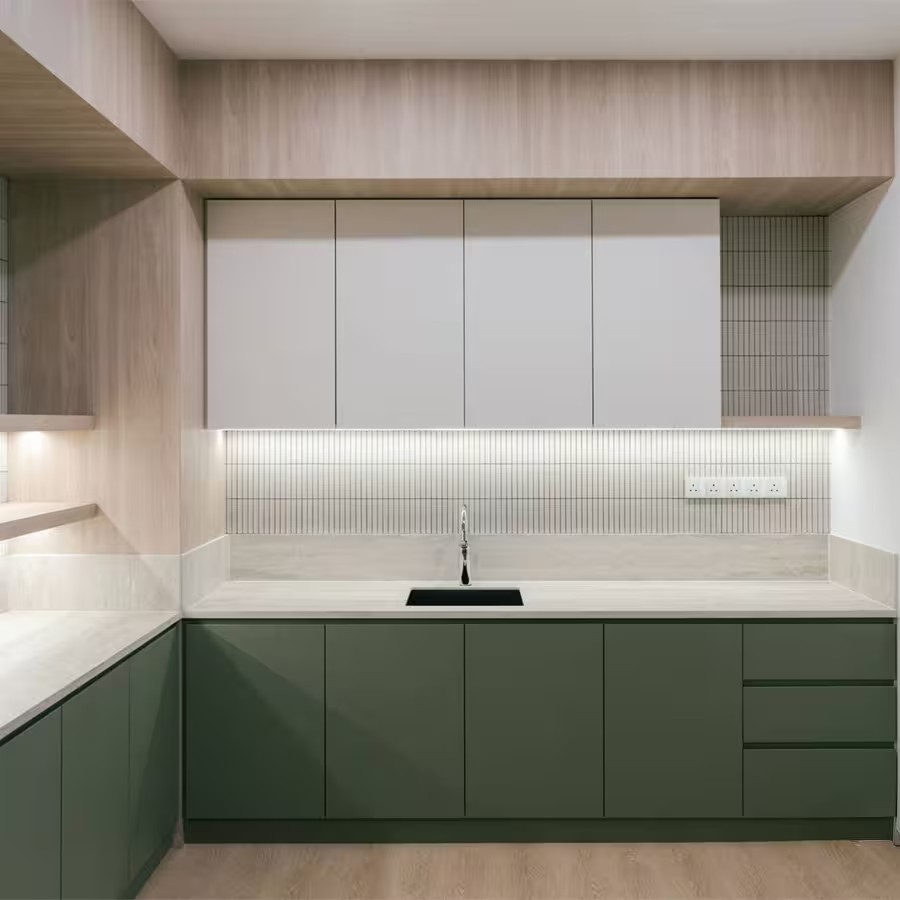
Integrating Community Feedback into Custom Designs of luxury modular kitchens.
Creating a luxury modular kitchen is as much about personal taste and functionality as it is about understanding the needs and desires of the community that will use it. In places like Mangalore, where a vibrant culinary culture thrives, the integration of community feedback into custom kitchen designs can elevate the concept from mere aesthetics to a true reflection of local lifestyle and preferences. This article explores how interior designers can effectively incorporate community insights into their designs, particularly in the context of luxury modular kitchens.
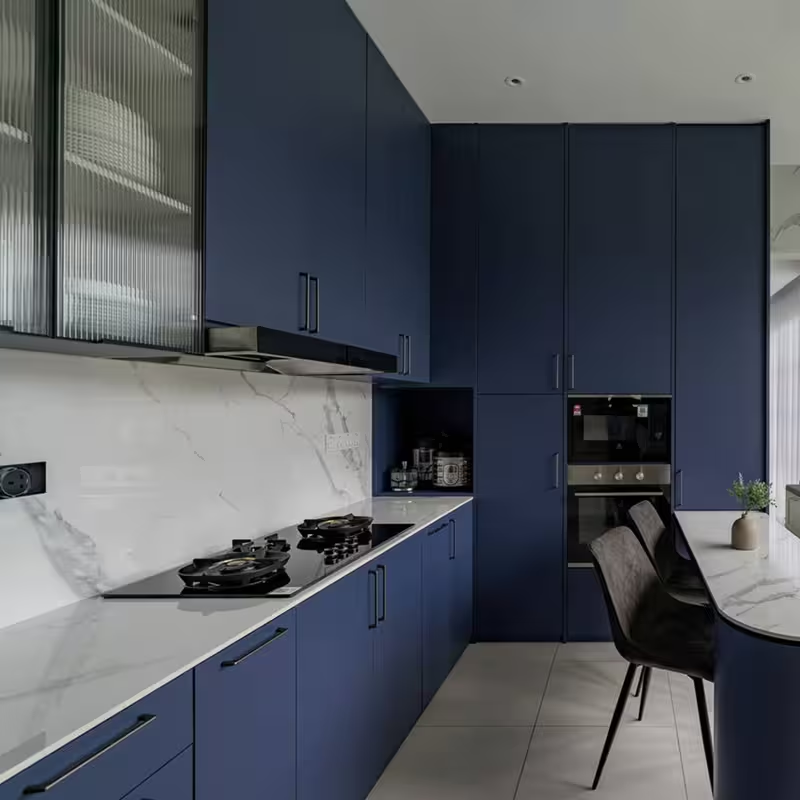
Understanding Local Culture and Needs
Before diving into design details, it's essential to grasp the Mangalore modular kitchen styles essence of local culture. In Mangalore, for instance, food plays a central role in daily life. Traditional cooking methods and communal dining experiences shape how kitchens are used. A designer's initial step should involve engaging with the community through surveys, focus groups, or informal discussions to gather insights on their cooking habits, preferences for appliances, and desired kitchen layout.
For example, some families may prefer open-space layouts that facilitate interaction while cooking, reflecting their values around family gatherings. Others might prioritize efficiency due to busy lifestyles or small living spaces. The goal here is to capture these nuances and translate them into design elements.
Designing with Functionality at the Forefront
Luxury does not solely stem from high-end materials or intricate designs; it also comes from functionality tailored to user needs. By incorporating community feedback, designers can identify critical features that enhance usability.
Consider storage solutions as a prime example. Some households may require ample pantry space for bulk purchasing typical in many Indian homes, while others might need specialized cabinetry for small appliances like mixers or traditional vessels. Responding to these specific needs enables luxury kitchens not just to look good but also serve their purpose effectively.
Factors Influencing Kitchen Layout
When integrating community feedback into kitchen design, several factors come into play:
By considering these factors during the design phase, designers can create spaces that resonate with users on multiple levels.
Customization Through Modular Systems
One of the most significant advantages of modular kitchens is their inherent flexibility and customization options. Designers can create layouts that adapt based on community feedback without compromising style or quality.
For instance, if a significant portion of feedback highlights a demand for eco-friendly solutions within modular kitchens in Mangalore—perhaps due to increased awareness about sustainability—designers could incorporate energy-efficient appliances and sustainable materials into their offerings.
This adaptability means that every choice—from countertops made of recycled materials to cabinets crafted from sustainably sourced wood—can reflect both luxury and conscientious design principles tailored to local sensibilities.
Engaging with Technology
In today's age, technology plays an integral role in kitchen design and functionality. Engaging with digital tools allows designers not only to visualize potential outcomes but also to solicit real-time feedback from clients or communities on proposed changes or features.
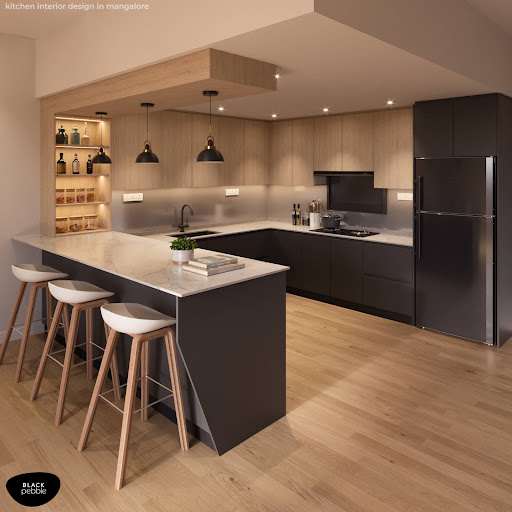
Using virtual reality (VR) platforms or augmented reality (AR) applications enables potential customers to immerse themselves in different designs before making decisions. For example, Black Pebble Designs - Interior Designer in Mangalore has been known to utilize such technologies effectively for client presentations, allowing users to explore various configurations interactively.
Feedback gathered during these sessions often leads designers to make alterations that better align with user expectations—whether that means adjusting appliance placements or altering color schemes based on immediate responses observed during walkthroughs.
The Role of Collaboration
Collaboration among various stakeholders—including homeowners, contractors, suppliers, and even chefs—can significantly enrich the design process of luxury modular kitchens. Bringing diverse voices together allows for a more comprehensive understanding of what works best within specific contexts.
For example, collaborating with local chefs who understand regional cuisine could inform decisions around stove placements or countertop heights ideal for preparing traditional dishes like dosa or biryani efficiently. Such partnerships foster innovation while ensuring practicality remains at the forefront.
Furthermore, regular workshops involving community members can help keep designers updated on evolving trends and preferences—a crucial aspect in regions like Mangalore where culinary practices may change over time due to influences from migration or globalization.
Real-World Example
A recent project by Black Pebble Designs exemplifies this collaborative approach beautifully. When designing a high-end modular kitchen for a large joint family in Mangalore, they hosted several workshops inviting family members along with local chefs specializing in coastal cuisine.
The outcome was remarkable—a spacious layout featuring multi-functional islands where family members could gather around during meal prep while still accommodating traditional cooking methods such as steaming seafood over coconut husks using dedicated burners integrated seamlessly into modern aesthetics.
Feedback Loops: Continuous Improvement
The journey doesn’t end once a design is completed; establishing robust feedback loops ensures continuous improvement over time. After installation, engaging clients through follow-up surveys allows designers to assess user satisfaction levels concerning functionality and aesthetics alike.
Moreover, documenting this feedback creates valuable insights for future projects—not just improving individual designs but also contributing positively towards collective knowledge within practice among peers within Mangalore’s interior design landscape.
Challenges Faced During Implementation
While integrating community feedback offers numerous benefits—it isn't without challenges:
Navigating these obstacles requires seasoned judgment based on experience alongside strong communication skills capable of managing expectations effectively throughout all stages involved—from initial consultations through final implementations ensuring everyone remains aligned toward common goals driving successful outcomes ultimately benefiting communities served through thoughtful design interventions rooted deeply within cultural contexts enriching lives holistically across generations ahead!
Conclusion
Integrating community feedback into custom designs creates meaningful connections between spaces and their inhabitants—particularly when it comes down specifically regarding luxury modular kitchens where personalized touches elevate both form/function simultaneously! By listening carefully—to understand needs without losing sight artistic vision—designers forge pathways leading towards enriched experiences enhancing overall satisfaction levels significantly beyond mere aesthetics alone fulfilling true essence behind all great home interiors crafted thoughtfully resonating harmoniously alongside lived experiences shared uniquely defining cultural identities proudly represented through exquisite craftsmanship embedded therein each detail meticulously curated accordingly delivering lasting impressions forever cherished fondly remembered long after initial installations completed successfully paving way new beginnings nurtured lovingly within heart homes enjoyed endlessly!
Black Pebble Designs - Interior Designer in Mangalore
Address: 1104 Planet SKS, Kadri, Mangaluru, Karnataka 575004
Phone: +918106071763
Email: info@blackpebbledesigns.com
Open Hours: Monday - Sunday 09:00 AM to 08:00 PM